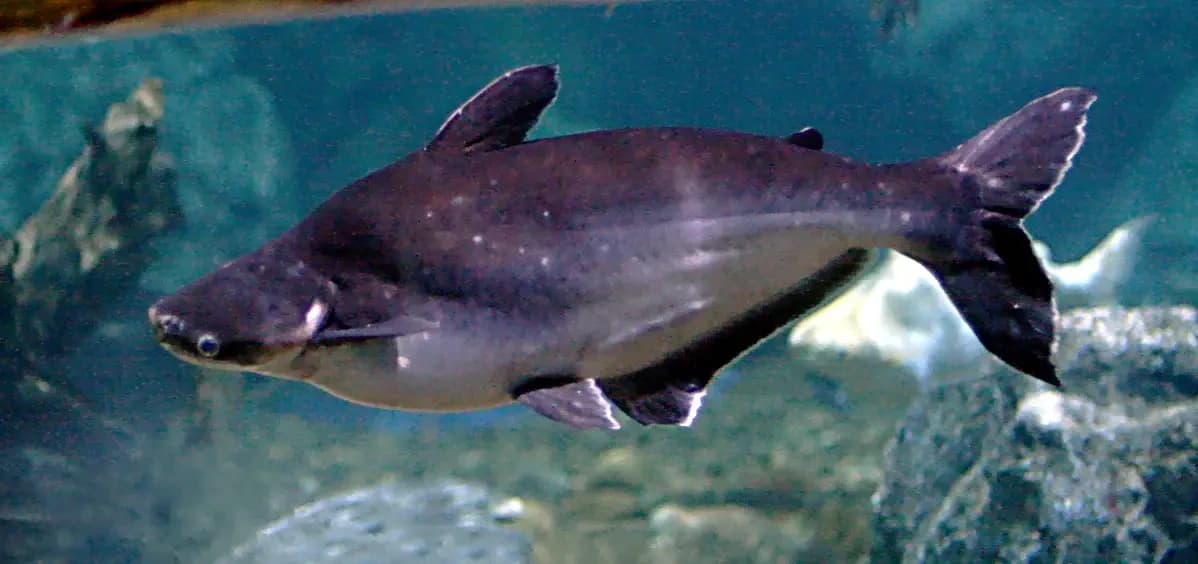
Description
Pangasius Fish: A Practical Guide to This Versatile White Fish
Have you ever picked up a mild, flaky white fish fillet at the store that cost a fraction of the price of cod or snapper? That was likely pangasius fish. It has become one of the most common seafood options in supermarkets across the globe. This freshwater catfish species brings both affordability and convenience to home kitchens.
The fish originates from the rivers of Southeast Asia and has become a success story for large-scale aquaculture. Its rise to popularity is due to its consistent availability, mild taste, and ease of preparation. Whether you are a fan of simple pan-seared fish or enjoy complex curry dishes, this species is a staple worth understanding.
The Distinctive Qualities of Pangasius Fish
Pangasius fish belongs to the catfish family. It is known for a clean, neutral flavor that makes it a canvas for many culinary styles. Unlike stronger, oily fish like mackerel or salmon, this white fish has a very subtle, slightly sweet taste that appeals to both adults and children.
Flavor Profile and Texture
The texture of pangasius is tender and flaky. It remains moist after cooking, provided you do not cook it for too long. Because the flavor is so mild, it does not overpower other ingredients in a dish. This makes it a great choice for soaking up marinades, citrus, herbs, and bold spices. Many people compare it to tilapia, but it often has a slightly softer texture when cooked.
Nutritional Compendium
This fish offers a lean source of protein for your diet. A typical serving provides a good amount of high-quality protein, which is essential for muscle maintenance and repair. While it is not as high in omega-3 fatty acids as deep-sea fish, it still provides beneficial nutrients. It is a source of Vitamin B12 and minerals like selenium, which supports immune function.
Varietal Identification and Naming Conventions
Consumers often find the naming of this fish confusing because it is sold under several labels. In many markets, you might see it labeled as “basa” or “swai.” These are common names for Pangasianodon hypophthalmus. These names often reflect where the fish came from or the specific marketing label used by a retailer. Regardless of the name on the package, the product is almost always the same species.
Pangasius Fish Aquaculture: A Global Industry
The growth of pangasius fish farming is a major shift in how we source seafood. Most of the fish sold today comes from aquaculture farms, not wild-caught sources. This control allows for consistent quality and supply throughout the year.
The Pangasius Lifecycle and Farming Stages
The process begins in hatcheries where the fish are bred in controlled environments. Once the larvae are large enough, they are moved to nursery ponds. After reaching a specific size, they are transferred to grow-out ponds or floating cages in rivers. Farmers manage water quality, oxygen levels, and temperature constantly to ensure healthy fish growth.
Innovations in Sustainable Farming Practices
The industry has adopted several innovations to improve environmental outcomes. Farmers are now using better feed formulations that reduce the need for wild-caught fish meal. Technology helps monitor water parameters in real-time, reducing waste and preventing disease. Biosecurity measures, such as vaccination protocols, have also become standard to maintain herd health without needing excessive medicine. Certifications like the Aquaculture Stewardship Council (ASC) help consumers find fish raised to strict standards.
Global Production Hubs and Economic Impact
Vietnam is the largest producer of this fish, with the Mekong Delta being the heart of the industry. The sector provides jobs for thousands of people, from farm workers to those in processing plants. Export markets include North America, Europe, and Asia, making it a truly global product.
Culinary Versatility: From Simple Meals to Gourmet Dishes
Pangasius fish is flexible in the kitchen. It works well with many different cooking styles and ingredient pairings.
Mastering Pangasius Preparation Techniques
You should always thaw frozen fillets in the refrigerator overnight. If you are in a rush, place the sealed package in cold water to speed up the process. Pat the fillets dry with a paper towel before cooking to ensure a good sear. Since the fillets are relatively thin, they cook quickly. Watch them closely to prevent the fish from drying out or breaking apart in the pan.
Popular Cooking Methods and Flavor Pairings
Pan-searing with a little butter or olive oil is a quick and effective cooking method. Baking in the oven with a light herb crust or a squeeze of lemon also works well. Because the fish is mild, it pairs perfectly with aromatics like garlic, ginger, cilantro, and chili. It is a common ingredient in Vietnamese sour soup, Thai curries, and various stir-fries. You can also coat the fillets in batter and fry them for crispy fish tacos.
Recipe Ideas and Inspiration
A very simple way to prepare this fish is to bake it with lemon slices, fresh dill, and a drizzle of olive oil. For a more flavorful dish, try marinating the fillets in a mixture of soy sauce, lime juice, and grated ginger before pan-frying. You can also cut the fish into chunks and use it in a fragrant coconut milk curry with vegetables.
Addressing Concerns and Ensuring Responsible Consumption
The growth of any large industry brings questions about quality and sustainability. Being an informed consumer is the best way to ensure you are buying the right product.
Navigating Food Safety and Quality Standards
International food safety regulations require strict testing for imported seafood. Reputable suppliers test their fish for contaminants like heavy metals and prohibited antibiotics. When you buy from trusted brands, you can be confident that the product meets safety requirements. Always check for quality seals or certification labels on the packaging.
The Sustainability Dialogue: Challenges and Progress
Large-scale fish farming has faced criticism regarding its impact on water quality and habitats. However, the industry has made significant progress. Many producers now follow better waste management practices and have improved the design of farming sites. The use of third-party certifications helps verify that producers are minimizing their environmental impact and ensuring fair labor practices for workers.
Consumer Choice: Making Informed Decisions
You hold the power to support sustainable farming by choosing the right products. Look for labels from reputable organizations on the packaging. If you are unsure about the sourcing, do not hesitate to ask your local fishmonger or the store manager about where their fish comes from. Buying certified products encourages more farmers to adopt responsible methods.
The Future Landscape of Pangasius
The future of this industry looks toward further improvements in technology and efficiency.
Emerging Technologies and Aquaculture Advancements
Innovations like closed-containment systems and advanced selective breeding aim to improve growth rates and fish health. Research continues into finding sustainable, plant-based protein sources for fish feed. These improvements will make the industry more efficient and reduce its reliance on external resources.
Market Trends and Global Demand
As the global population continues to grow, the demand for affordable, high-quality protein will rise. Pangasius fish is well-positioned to meet this demand. Consumers are increasingly looking for sustainable options, and the aquaculture industry is responding by improving its practices to meet these expectations.
Pangasius as a Solution for Food Security
This fish is an accessible and reliable source of protein for many people. Its efficient feed-conversion ratio means it produces more meat with less feed than many other livestock options. By providing a consistent supply of healthy, affordable food, pangasius plays a key role in supporting global food security.
A Savory and Sustainable Seafood Choice
Pangasius fish offers a rare combination of affordability, versatility, and ease of preparation. With its mild flavor and tender texture, it is a convenient option for many types of home cooking. While the industry has faced challenges, the shift toward sustainable and responsible farming practices is making a real difference. By choosing certified products and staying informed, you can enjoy this fish as part of a responsible and delicious diet. Make your next meal a conscious choice by selecting high-quality, responsibly sourced seafood.
Reviews
There are no reviews yet.