Description
How to Create a Thriving Home for Your Goldfish
Do you think a glass bowl is the perfect home for a goldfish? You are not alone in that thought. But that tiny, curved glass prison does more harm than good for these active, intelligent fish. If you want a long-lived pet that interacts with you, you need to change your approach. Goldfish are far more than simple, low-maintenance decorations. They have a rich history and complex needs. When you understand what they truly need to survive, you turn a disposable object into a real companion. This guide will show you how to move past the myths and create an environment where your goldfish can thrive for years.
Unveiling the History and Growth of Goldfish
Goldfish have a long history alongside humans. They started as simple fish in the wild and slowly became the diverse pets we see in shops today.
From Wild Carp to Royal Pets
The story of the goldfish starts in ancient China. Their ancestor is the Prussian carp. Thousands of years ago, people began to notice color changes in these carp. They started to breed the ones with gold, orange, or yellow scales. This early selective breeding was a big deal. Royalty and religious leaders kept these bright fish in garden ponds. They were symbols of luck and wealth, not just pets.
The Global Spread of Goldfish Varieties
Over centuries, goldfish traveled from China to the rest of Asia and eventually to the West. As they spread, breeders focused on creating even more unique shapes and colors. This led to the many fancy varieties you see today. Some have flowing fins, while others have round, egg-shaped bodies. These fish changed from a hardy pond species into specific, human-made types that require careful management.
Providing the Optimal Goldfish Habitat
If you want a healthy pet, you must ignore the advice to keep them in a bowl. Goldfish grow large and produce a lot of waste. They need real space and a clean home.
Tank Size: The Foundation of Goldfish Health
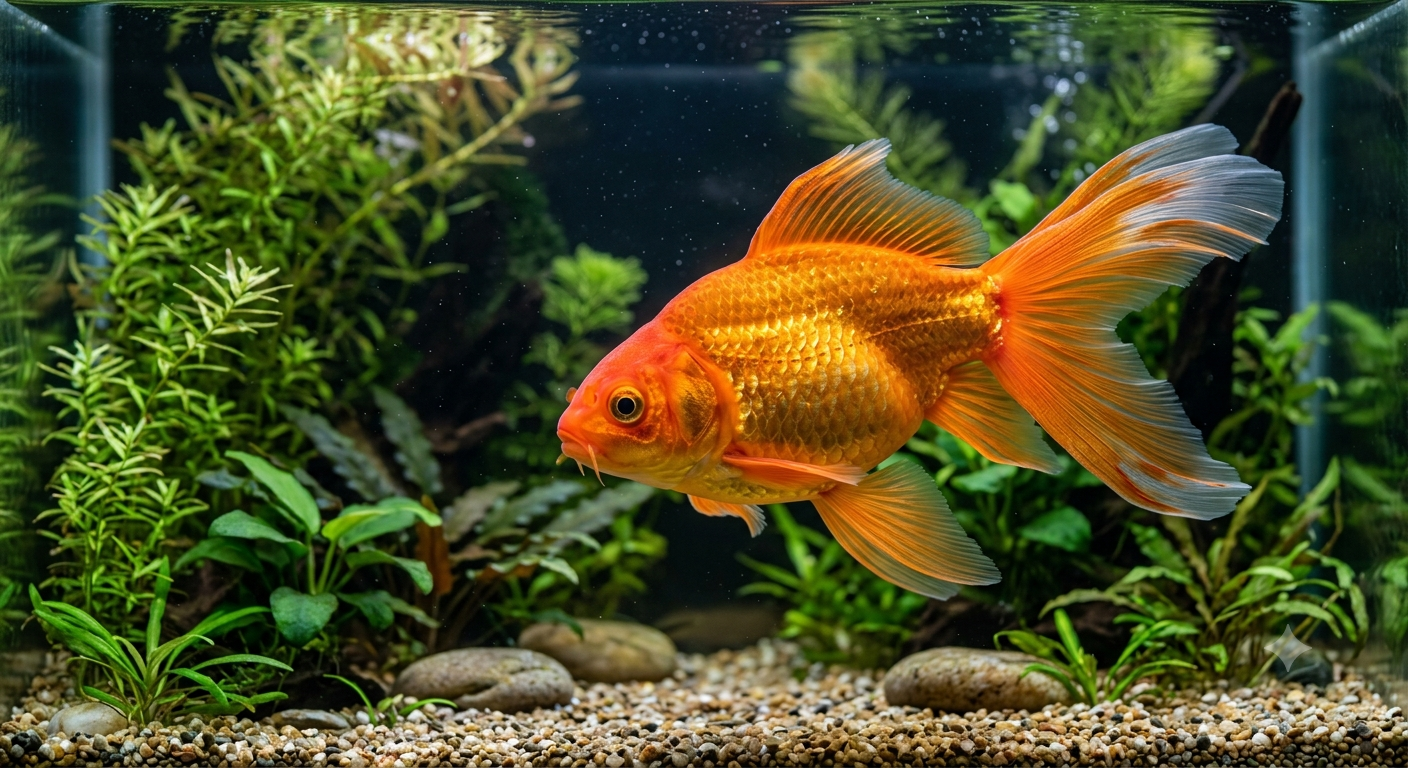
The “bigger is better” rule is true for goldfish. A single common goldfish can grow to be six to eight inches long or more. Fancy goldfish, which are rounder, also need room to swim. A good rule of thumb is at least 20 gallons for the first fish, and more for each extra one. If you keep them in too small of a space, they will stunt their growth, which leads to health issues and a shorter life.
Water Quality: The Invisible Shield
Water quality is the most important part of keeping your fish alive. Goldfish produce ammonia, which is toxic. A good filter is not an option; it is a necessity. The filter processes the waste through the nitrogen cycle. You must test your water for ammonia, nitrite, and nitrate levels. You should perform partial water changes every week to keep the tank environment safe and clean.
Tank Enrichment: Simulating a Natural Environment
A bare tank is boring and stressful for a fish. Add a soft substrate, like fine sand, which they love to sift through for food. Live plants are excellent because they help clean the water and provide places to hide. If you use artificial plants, make sure they are soft and have no sharp edges that could tear delicate fins. These additions make the tank look better and make the fish feel secure.
Understanding Goldfish Nutrition and Feeding Habits
Many people think goldfish will eat anything, or that they only need dry flakes. This is a mistake that often causes health problems.
The Goldfish Diet: More Than Just Flakes
Goldfish are omnivores and need a varied diet to stay healthy. Flakes often float on the surface and cause the fish to gulp air, which can lead to buoyancy issues. Use high-quality sinking pellets instead. Supplement their diet with fresh vegetables, such as blanched peas, spinach, or broccoli. These greens are great for their digestion and overall health.
Feeding Frequency and Portion Control
Overfeeding is a very common mistake. Only feed your goldfish what they can eat in about two minutes. If there is food left over, you are feeding them too much. Uneaten food just rots in the water and causes dangerous ammonia spikes. Watch your fish as they eat. If they seem slow or disinterested, they might be full.
Common Feeding Mistakes and Their Consequences
Feeding the wrong food or too much food causes serious issues. Constipation is common if they don’t get enough fiber from vegetables. This can lead to swim bladder problems, where the fish floats upside down or struggles to swim straight. Keeping a strict feeding schedule and sticking to healthy, varied foods will prevent most of these digestive disasters.
Recognizing and Addressing Goldfish Health Concerns
Prevention is always better than treatment. If you spot a problem early, you have a better chance of fixing it.
Signs of a Healthy Goldfish
A healthy fish is a joy to watch. It should have clear, bright eyes and shiny scales. It should swim actively around the whole tank, not just hover in a corner. Most importantly, it should have a strong appetite during feeding time. If you notice a sudden change in these behaviors, your fish might be telling you that something is wrong.
Common Goldfish Diseases and Their Symptoms
Several common ailments can strike if water quality is poor. Ich, or white spot disease, looks like tiny grains of salt on the fish’s body and fins. Fin rot happens when fins look ragged or discolored. Dropsy, where the fish looks swollen like a pinecone, is a serious condition that is often hard to treat. Ammonia poisoning can cause red streaks on the body and gasping at the surface.
Preventative Care and Basic Treatments
Keep your tank clean and don’t overcrowd it. If you get a new fish, keep it in a separate quarantine tank for a few weeks before adding it to your main tank. This stops diseases from spreading. If you suspect an illness, check your water parameters immediately. Many issues clear up with better water quality. If you need medication, research it carefully to make sure it is safe for your specific type of goldfish.
Goldfish Behavior and Social Dynamics
Goldfish are not just mindless swimmers. They are social, curious animals that interact with their surroundings.
The Social Lives of Goldfish
Goldfish are generally social and often do better when they have others of their kind to interact with. However, you need enough tank space for everyone. If you keep too many fish in one spot, they will fight over territory and food. Make sure to choose tank mates that have similar needs and sizes.
Understanding Goldfish Communication and Activity
Watch your goldfish to learn their habits. They spend a lot of time exploring the substrate and plants. They have cycles of being active and resting. If your goldfish is always hiding or is extremely still, check your water and the light levels in the room. They are very sensitive to their environment.
Engaging with Your Goldfish
You can interact with your fish to keep them happy. They learn to recognize their owners. Some owners use feeding time to teach them simple behaviors. You can also change the tank layout slightly now and then to give them something new to explore. This kind of interaction makes keeping them much more rewarding.
Conclusion
Caring for a goldfish properly is a commitment, but it is one that pays off. When you provide the right tank size, keep the water clean, feed them a healthy diet, and pay attention to their behavior, you will see a different side of these aquatic pets.
Key Takeaways for Thriving Goldfish
- Give them plenty of space, not a bowl.
- Keep the water clean with a strong filter and regular water changes.
- Feed them a varied diet of pellets and fresh vegetables.
- Watch them daily for signs of health or illness.
The Long-Term Rewards of Dedicated Goldfish Keeping
When you do these things, you are not just keeping a fish alive. You are looking after a living creature that can become a part of your daily life for a decade or more. The satisfaction of seeing a healthy, vibrant, and active fish in a well-maintained tank is worth the extra effort. Treat your goldfish with the care they deserve, and you will have a unique companion for many years to come.
Reviews
There are no reviews yet.